
When shopping for furniture, especially pieces that offer both style and durability, you may come across two terms that are often used interchangeably: cane and rattan. While both materials are commonly used in the creation of high-quality, long-lasting furniture, they are actually quite different in terms of their origins, uses, and characteristics. At Cane Industries, we believe in educating our customers about the materials we use to craft our furniture, so you can make an informed decision when choosing the perfect pieces for your home.
Here we take a look at the differences between cane and rattan, and help you decide which one is best suited for your needs.
What is Cane?
Cane is the outer skin of the rattan plant, this thin, flexible material has been used for centuries to create beautiful and functional furniture pieces. Cane is typically harvested from the rattan plant, which is a type of climbing palm. The outer layer of the rattan stalk is peeled away to create cane, which is then woven, wrapped, or applied to various types of furniture.
What is Rattan?
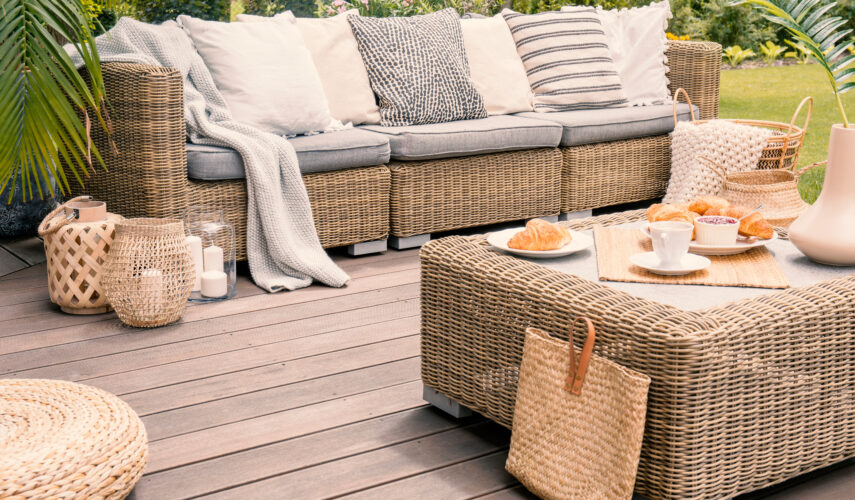
Rattan, on the other hand, refers to the entire plant – a species of climbing palm native to the Southeast Asian region. Rattan stems are long, thick, and flexible, and they are used in the making of a variety of products, from furniture to baskets to decorative items. Rattan furniture, often associated with tropical and bohemian styles, is made from the entire rattan stalk, which can be bent, woven, and shaped into different forms.
Key Differences Between Cane and Rattan
While cane and rattan come from the same plant, they have distinct differences. Let’s take a closer look:
1. Material Source
Cane: Comes from the outer skin of the rattan plant. The inner core is not used for cane products.
Rattan: The entire plant, including both the stem and core, is used in the creation of rattan furniture and products.
2. Appearance
Cane: Cane has a smooth, thin texture with a glossy finish. It’s often seen in the form of a woven mesh or intricate patterns on furniture such as chairs and tables.
Rattan: Rattan is thicker, with a more natural and rugged texture. When used in furniture making, it retains its hollow core and can be woven into large, durable frames.
3. Flexibility and Strength
Cane: While cane is flexible, it is not as strong as rattan. It is mainly used for weaving or detailing, rather than for creating the structural framework of furniture.
Rattan: Rattan, with its thick and sturdy core, is much stronger and can be bent and shaped into frames for larger furniture pieces, such as sofas, chairs, and tables.
4. Uses in Furniture Making
Cane: Cane is commonly used in woven sections of furniture, such as chair backs, cabinet doors, and the seat portions of chairs. Its delicate, intricate design is perfect for adding a touch of elegance to any piece.
Rattan: Rattan is used for the framework of furniture, providing the strength needed to build larger items like chairs, tables, and even storage units. It’s also used in making baskets and other decorative pieces.
5. Durability and Maintenance
Cane: Cane is lightweight but can be more fragile than rattan. It may require extra care to avoid cracking or breaking, especially when exposed to extreme temperatures or moisture. Regular cleaning and maintaining the cane’s finish will keep it looking beautiful for years.
Rattan: Rattan is incredibly durable and resilient, making it ideal for furniture that needs to withstand daily use. It can handle moisture better than cane and can last for many years with proper care.
Which One is Right for You?
Now that you know the key differences between cane and rattan, you may be wondering which one is best for your home. Here are some considerations to help you make the right choice:
1. For a Light, Elegant Look: Choose Cane
If you’re looking for furniture that’s delicate, refined, and elegant, cane is the perfect choice. Cane works beautifully in formal living spaces or smaller rooms where you want to create a light, airy ambiance. Its intricate design makes it ideal for chairs, cabinets, or decorative accents, and it pairs well with various design styles, from traditional to contemporary. Find out more about cane living room furniture here.
2. For Durability and Functionality: Choose Rattan
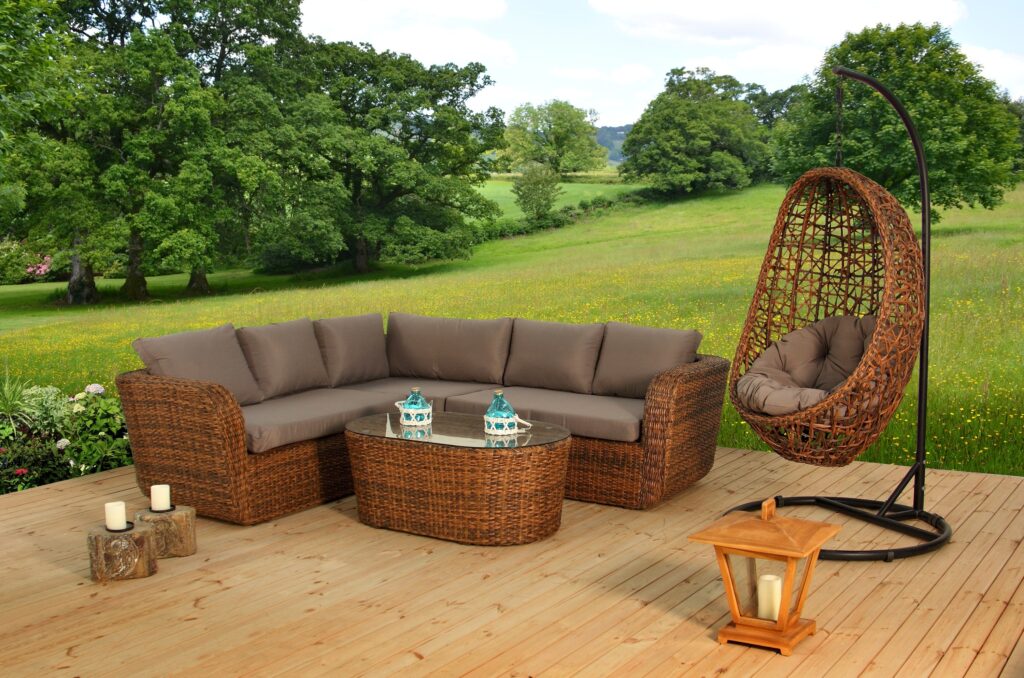
Rattan is the way to go if you need strong, long-lasting furniture that can withstand daily use. If you’re looking for larger pieces like sofas, armchairs, or tables that will stand up to wear and tear, rattan is a better option. It’s also ideal for outdoor furniture, as it can handle weather changes better than cane.
3. For a Mix of Both: Try Cane and Rattan Together
Incorporating both cane and rattan into your home can give you the best of both worlds. You can use rattan for the structural elements of your furniture, like frames and legs, while using cane for decorative details such as woven chair backs or cabinet doors. This combination adds a touch of versatility and style to your home.
Check Out Cane Industries Today
Both cane and rattan bring unique characteristics to the table, and choosing between them depends on your style preferences and functional needs. At Cane Industries, we offer a range of beautiful furniture crafted with both cane and rattan, so you can enjoy the best of both materials. Whether you’re looking for lightweight elegance or sturdy durability, we have the perfect piece for your home.
If you’re unsure about which material to choose or need more guidance on selecting the right furniture for your space, feel free to get in touch with us. Our team of experts is always happy to help! You can also find out more about cane dining room furniture here.
Visit Cane Industries today to explore our full range of cane and rattan furniture! For more information, please contact our team today!

